Understanding the Steps Involved in the Process
The process of installing a heating, ventilation, and air conditioning (HVAC) system is a significant investment for any homeowner. It requires careful planning and understanding of what steps are involved. By knowing what to expect during your HVAC installation process, you can ensure that everything runs smoothly from start to finish. This article will guide you through the key stages, helping you to be prepared and make informed decisions along the way.
The Initial Assessment Stage
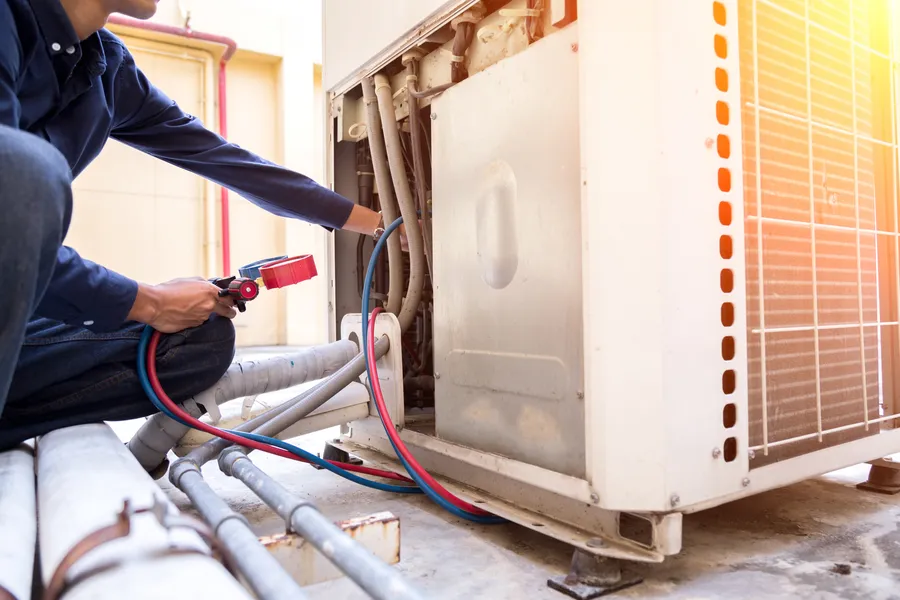
The first step in the HVAC installation is an initial assessment by trained professionals. They visit your home to evaluate its heating and cooling needs. This evaluation considers factors like the size of your home, insulation levels, and existing ductwork. The goal here is to determine the most suitable system for your living space.
Selecting the Right System
After the assessment, you’ll discuss with the experts about choosing the best system for your needs. Factors such as energy efficiency, budget, and specific preferences will guide this decision. A well-chosen system not only ensures comfort but also saves money in the long run through energy-efficient operation.
Preparing Your Home
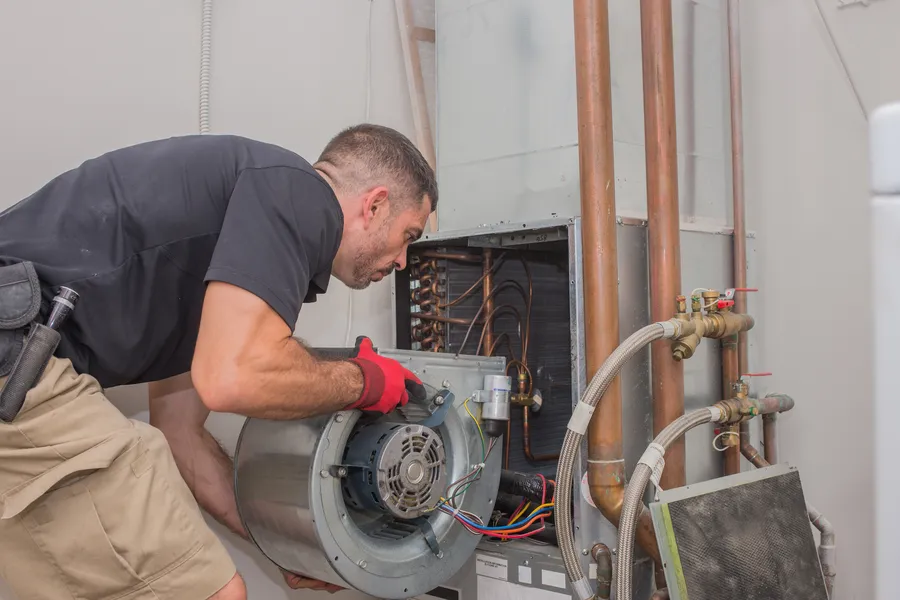
Before the actual HVAC installation begins, some preparatory steps are needed within your home. Clear areas around where the unit will be placed, allowing easy access for technicians. It’s also advisable to cover furniture and valuables nearby to protect them from dust and debris.
The Installation Day
On the day of installation, the team will arrive with all necessary equipment and components. This phase involves several key actions:
- Removing old systems if applicable
- Assembling new equipment
- Installing new ductwork or modifying existing ones
- Connecting electrical components safely
Testing and Adjustments
Once installed, the system undergoes thorough testing to ensure everything functions correctly. Technicians check airflow, thermostat settings, and unit performance. They make adjustments as needed for optimal efficiency. This step guarantees that your system operates at peak efficiency, providing reliable climate control.
Maintenance Tips for Long-Term Performance
Maintaining your new system prolongs its life and keeps it running efficiently. Here are some tips:
- Schedule regular professional maintenance checks
- Replace filters every three months or as recommended
- Keep outdoor units clear of debris and vegetation
- Monitor energy bills for unusual increases
The Importance of Quality Assurance
A successful HVAC installation isn’t just about putting parts together-it’s about ensuring quality throughout each step. Professionals follow industry standards and best practices to deliver a system you can rely on. Choose reputable contractors who prioritize thorough workmanship and customer satisfaction.
Cost Considerations for New Systems
The cost of installing a new system varies based on factors like equipment type, home size, and location. While initial costs may seem high, investing in an efficient system provides savings over time through reduced energy bills. Ensure you understand all financial aspects before proceeding.
Connect With Expert Installers Today
If you’re ready to enhance your home’s comfort with a new system, contact Summit Air HVAC at (435) 264-1221. Our expert team is dedicated to serving residents in St. George, UT with top-quality installations. We look forward to assisting you with all your heating and cooling needs.