Why Monitoring Refrigerant Is Crucial for HVAC Systems
Keeping track of refrigerant levels in your HVAC system is critical. It ensures your home stays comfortable, especially during hot summer months. Low refrigerant can reduce efficiency and increase energy costs. This can also put stress on your air conditioning unit, leading to potential breakdowns and costly repairs. Understanding why it’s essential to maintain proper refrigerant levels can save you money and keep your system running smoothly. In the following sections, we will explore the benefits, challenges, and best practices related to refrigerant maintenance.
Benefits of Proper Refrigerant Levels
Checking refrigerant levels regularly offers multiple advantages. Firstly, it guarantees optimal cooling performance. Your system works efficiently when refrigerant levels are correct, keeping your home at a comfortable temperature. Secondly, it prolongs the life of your air conditioner by reducing strain on the compressor and other components. Thirdly, maintaining proper levels helps lower energy bills by ensuring efficient operation. These savings add up over time and make investing in regular checks worthwhile.
Challenges With Low Refrigerant
Low refrigerant levels pose several challenges for homeowners. A common issue is reduced cooling capacity, making it hard to achieve desired temperatures. Another problem is increased wear and tear on the system, which leads to unexpected breakdowns. Additionally, low refrigerant can cause ice buildup on the coils, potentially damaging your unit. Addressing these problems requires attention to detail during Air Conditioner Maintenance.

How to Check Your Refrigerant Levels
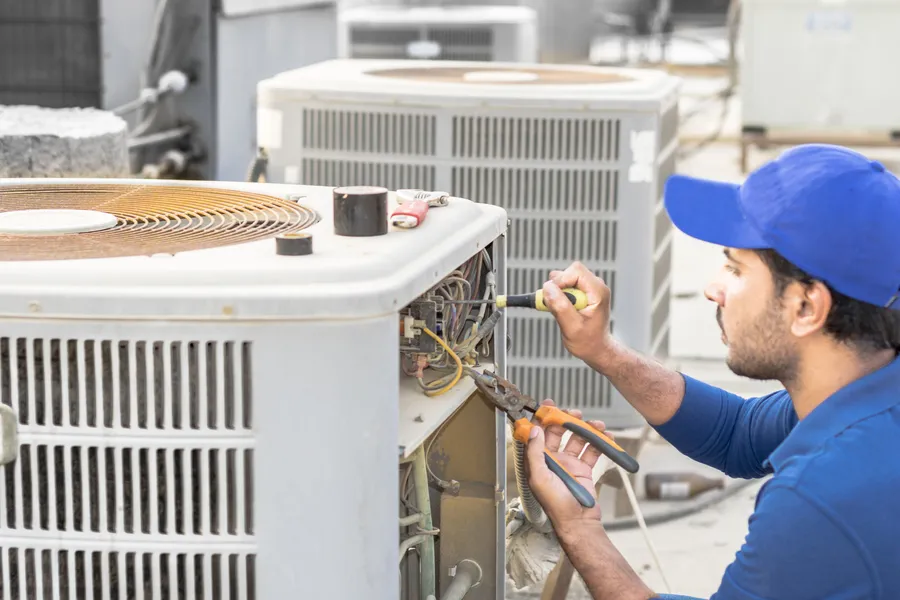
Regularly checking refrigerant levels is crucial for system health. During Air Conditioner Maintenance, technicians typically follow these steps:
- Turn off the power to the AC unit.
- Remove the service panel to access the refrigerant lines.
- Use a gauge set to measure the pressure of the refrigerant.
- Compare readings with manufacturer specifications.
- Add or remove refrigerant as needed.
Best Practices for Maintaining Your System
To ensure your AC functions effectively, follow industry best practices. Schedule routine inspections by a certified technician who understands HVAC systems. They can detect issues before they become significant problems. Clean or replace filters monthly to allow proper airflow and prevent clogs. Keep outdoor units free from debris like leaves and dirt that can block ventilation. Finally, use smart thermostats to optimize energy use based on your schedule and preferences.
Understanding Industry Standards
Industry standards guide how HVAC systems should be maintained to ensure safety and efficiency. Technicians adhere to strict guidelines regarding refrigerant handling due to environmental regulations. The Environmental Protection Agency (EPA) requires technicians to have certification for refrigerant management. Knowing these standards helps consumers trust that their HVAC professionals follow legal requirements.
Cost Considerations for Maintenance
The cost of maintaining an air conditioning unit varies depending on several factors. Routine inspections are generally affordable and save money in the long run by preventing major repairs. If a refrigerant refill is necessary, prices depend on the type and amount needed. Always ask for a detailed estimate from your provider, including parts and labor costs. Consider maintenance plans offered by providers, which often include discounts on services.
Your Trusted Partner in HVAC Care
For reliable air conditioning support, turn to Summit Air HVAC today. Our team specializes in providing top-notch service across St. George, UT. Whether you need an inspection or repair, our experts stand ready to assist you. Don’t wait until a small issue becomes a big problem; call us now at (435) 264-1221. Keep your home comfortable year-round with professional care from our trusted technicians.